Madeira is a year-round destination. There is no cold winter or extreme summer heat, and the island’s mild climate makes it possible to enjoy walks, hiking, time by the ocean and exploring the island in every season.
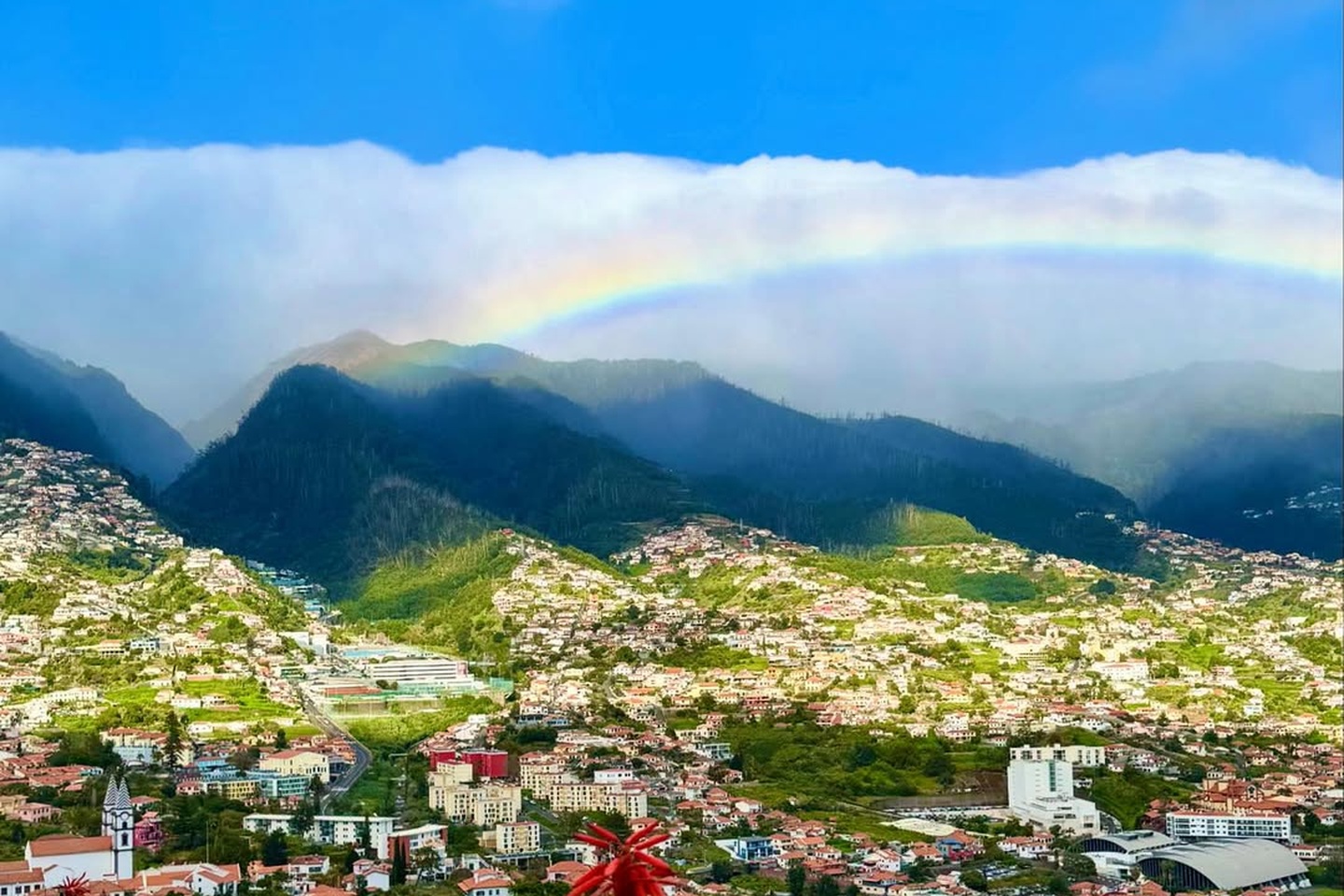
Every month brings something different — from changing landscapes and flowering plants to seasonal fruit, local traditions and annual celebrations.
Climate and Ocean Temperature
Temperatures remain comfortable throughout the year: coastal areas typically see around 16–20 °C in winter and 24–26 °C in summer, although weather conditions vary considerably depending on the area and altitude. It can be sunny along the coast while the mountains are already cloudy and noticeably cooler.
Ocean temperatures are more stable than air temperatures, ranging from around 18 °C in winter to 25 °C in summer. Swimming is therefore possible throughout the year.
From November to April, the central and mountainous areas generally receive more rainfall. After rainy periods, waterfalls become fuller and more spectacular, while the landscape takes on even deeper shades of green.
Madeira is often known as the “island of eternal spring” because there is almost always something in bloom, while different seasonal fruits appear throughout the year.
Natural Volcanic Pools
Swimming in natural volcanic pools is one of Madeira’s distinctive experiences.
These natural swimming areas were formed by volcanic rock and are connected to the ocean, allowing seawater to flow naturally into them.
The volcanic rock provides protection from direct wave impact, which can make these pools more comfortable for swimming when the open ocean is rough.
The best-known natural pools are located in Porto Moniz and Seixal, while similar swimming areas can also be found in the island’s capital, Funchal.
Swimming conditions depend on the state of the ocean, so it’s worth checking the forecast before your visit!
Madeira Through the Seasons
- Spring — a colourful season of flowers and fresh green landscapes.
- Summer — longer days, more sunshine and warmer ocean temperatures.
- Autumn — mild weather, lush scenery and the beginning of chestnut season.
- Winter — a mild climate, green mountains, powerful waterfalls and a festive atmosphere.
Festivals and Events Throughout the Year
Madeira has a year-round calendar of major and local celebrations, food festivals and cultural events. There are far too many to list them all, so for the latest dates and events, it’s best to check the official Madeira tourism website.
Madeira Month by Month
January
Mild winter, green mountains and waterfalls after the rains. Christmas decorations and lights are still on the streets of Funchal and other towns, while the festive programme continues until the end of the month.
February
Mild weather and lush green landscapes. The main event of the month is Carnival. Funchal hosts parades, performances and festive events. Dates vary each year.
March
One of the most colourful periods of the flowering season begins. You may see mimosa in bloom, as well as flowering eucalyptus and other plants in some areas. The scent of flowering vegetation can be enjoyed across many parts of the island.
April
Spring is in full swing. The island becomes increasingly colourful, while the mountains remain lush and rich in water. The Madeira Flower Festival usually begins in April–May.
May
May is one of the highlights of the flowering season. The Flower Festival takes place, towns are decorated with floral displays, and festive events are held in many places. In the mountains, an especially beautiful period begins: the slopes become covered with golden-yellow flowering shrubs, turning the mountain landscapes into a true sea of yellow
June
In June, bright purple and lilac blooms of the Pride of Madeira flower join the golden-yellow colours, creating one of the island’s most spectacular seasonal landscapes. The summer season begins: more sunny days, comfortable ocean temperatures and long daylight hours. The main event of the month is the Atlantic Festival, with spectacular fireworks over Funchal Bay.
July
The height of summer, warm ocean and long days. In July, ocean temperatures reach their maximum — in some places, the water warms up to 24–25 °C. A good period for combining walks, trips around the island and time by the water.
August
Warm ocean, plenty of daylight and comfortable conditions for travelling. You can combine mountain routes, coastal drives, natural pools and time by the ocean.
September
Summer gradually becomes milder, but the ocean remains warm. The days are still long enough for walks and trips around the island.
October
A wetter autumn period begins, especially in the mountains. After the rains, waterfalls become fuller. The chestnut season begins, particularly noticeable in the village of Curral das Freiras.
November
Mild autumn, green mountains and waterfalls. The chestnut season continues. The central and mountainous areas have a higher chance of rain, making the waterfalls particularly spectacular. Towards the end of the month, the island gradually begins preparing for the Christmas season.
December
From 1 December, Funchal and other towns are decorated with Christmas lights. Festive events take place almost daily. 25 December — Christmas Day: most businesses are closed, while public transport operates on a holiday schedule with significant restrictions. 31 December — the culmination of the year: Funchal’s spectacular New Year’s Eve fireworks light up the entire bay. Cruise ships fill the harbour, and travellers from around the world come to celebrate New Year’s Eve here.
So, When Is the Best Time to Visit Madeira?
If your goal is nature, walks, hiking and exploring the island, Madeira can be enjoyed all year round.
There is no single “best” month to visit Madeira. Each season offers a different way to experience the island.